
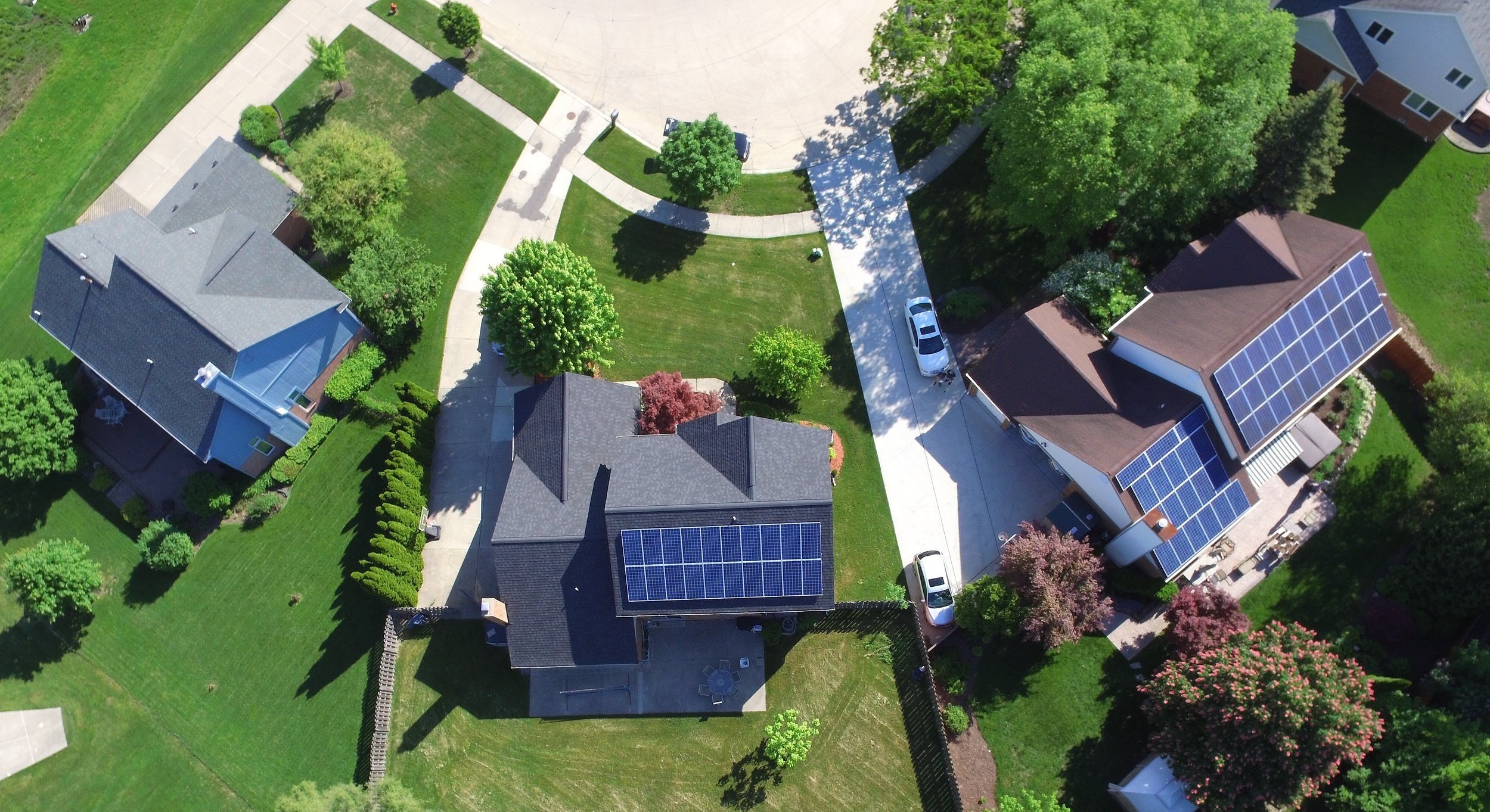

Key Points
- Properly installed solar panels do not damage your roof
- The risks come from poor workmanship, not the panels themselves
- Michigan’s snow load, freeze-thaw cycles, and above-average precipitation make installer quality especially important here
- Your roof needs to be inspected and in good condition before panels go on
- A reputable installer handles structural review, flashing, sealing, and permitting
- Solar panels can actually extend your roof’s life by shielding it from UV and harsh weather
It’s one of the most common questions we hear from Michigan homeowners considering solar: will putting panels on my roof cause damage? The concern makes sense. A Michigan roof takes a beating year after year, from ice storms and heavy snow to hot, humid summers that expand and contract everything in sight. Adding hardware on top of that feels like a risk worth thinking through carefully.
The straightforward answer is no. Solar panels do not damage a sound roof when they are installed correctly. The more useful answer is that the condition of your roof and the quality of your installer determine almost everything. Getting those two things right means your roof stays protected. Getting them wrong is where problems start.
The Installer Is the Variable That Matters Most
The panels themselves are not the problem. Modern solar mounting systems are engineered to work with common roof types without compromising structure or waterproofing. What creates roof damage is poor workmanship:
- Penetrations that aren’t properly sealed
- Mounting hardware that doesn’t match the roof type
- Structural assessments overlooked
Michigan’s climate raises the stakes on every one of those failure points. Our freeze-thaw cycles are relentless. Any gap around a mounting penetration that might go unnoticed in a warmer climate will be tested hard here, every winter, as water freezes, expands, and works its way deeper. Lake effect zones around Traverse City, Muskegon, and the western Lower Peninsula see snowfall well above the state average, which adds to both the load on the roof and the moisture exposure at every seal point.
A licensed, experienced Michigan installer knows how to account for all of this. Choosing the right one is the single most important decision in the process. Strawberry Solar has the local knowledge and experience to guide you through every step of the process.
Trusted Local Solar Installer
Get in touch with the Strawberry Solar team to discuss your specific setup today.
What Can Actually Go Wrong (and Why It Happens)
Leaks from unsealed roof penetrations
Installing panels on an asphalt shingle roof requires drilling lag bolts through the shingles and into the rafters below. Those penetrations have to be flashed and sealed against water intrusion. Done correctly, they are watertight and do not affect the roof’s integrity. Done carelessly, they create entry points for water. In Michigan, those entry points face years of ice, snow melt, and freeze-thaw stress. A bad seal that might take years to cause a problem in other climates can cause one in a single winter here.
Structural stress from panel weight
Each panel weighs approximately 40 to 50 pounds, and the racking hardware adds more. Michigan’s building code requires that any roof supporting solar panels be evaluated for the combined weight of the panels and anticipated snow load. That sounds like a potential obstacle, but most well-built Michigan roofs in good condition handle the load without needing reinforcement. The key word is “evaluated.” We ensure all of this checks out before any work begins, not after.
Damage to shingles or tile during installation
Inexperienced crews can crack or dislodge roofing material simply by moving across the roof incorrectly. This is especially true on tile roofs, where clay and concrete tile does not handle foot traffic the same way asphalt shingles do. Walking on tile without knowing where to step and how to distribute weight can cause cracks that lead to leaks months later. Our installers with tile-specific experience know how to work on these roofs safely.
Animal nesting under panels
The gap between the underside of a panel and the roof surface is exactly the kind of sheltered, weather-protected space that birds and squirrels look for. Nests trap moisture and debris, and over time that buildup can cause issues for both the roof surface and the system itself. Critter guards, which are wire mesh skirting installed around the perimeter of the array, address this at the time of installation for a modest cost.
Wind uplift from improper mounting
Panels that aren’t properly anchored to the roof structure can lift during high winds. When that happens, it damages both the panels and the roofing material beneath them. Correct installation means the racking is bolted through the roof deck and into the rafters, not just the decking, and properly torqued. Michigan’s spring and summer storms make this a real consideration.
What Protects Your Roof Before, During, and After Installation
Roof Inspection Before Work Begins
Panels should not go on a roof that is near end of life, has existing damage, or has structural concerns. If your roof is older or damaged, replacing your roof before the panels go on is almost always the right call. Removing and reinstalling a solar array partway through its life adds real cost and hassle. A good installer will not proceed without confirming that the roof is ready. If they skip this step, that’s a signal.
Correct Mounting for Your Roof Type
Different roof materials require different installation approaches, and the right method for one roof type can cause damage on another.
On asphalt shingles, installers drill lag bolts into the rafters, then flash and seal each penetration point. The bolts go through the shingles and decking and anchor into the structural rafters below, not just the surface layer.
On standing seam metal roofs, the preferred approach uses clamps that attach to the seams themselves, with no penetrations through the roof surface at all. This is the cleanest possible installation from a waterproofing standpoint, and it’s one reason metal roofs pair so well with solar.
On clay, concrete, and Spanish tile, installers use specialized mounting hardware designed to work around the tile without cracking it. This is a more involved process than asphalt or metal, and it requires crews with tile-specific experience.
Check out our guides on different roof types:
Proper flashing and weatherproofing
Every penetration point in a roof-mounted solar installation gets flashed and sealed. Flashing is the metal barrier that directs water away from the penetration; the sealant fills any remaining gaps. Both have to be installed correctly, with materials rated for the expected temperature range and UV exposure.
Michigan’s precipitation levels, including ice storms and lake effect snow, put more stress on those seals than most climates do. Sealants that are not rated for sustained cold or freeze-thaw cycling can fail faster. A post-installation inspection confirms that all points are watertight before the system is handed off.
Permits and structural sign-off
Michigan municipalities require permits for solar installations. That permitting process includes a review of the structural plan, which covers how the racking connects to the roof and whether the combined load, panels plus snow, is within the roof’s capacity. Strawberry Solar handles all permitting on behalf of the customer, including coordinating structural sign-off where the municipality requires it.
Warranties covering workmanship and roof penetrations
We will ensure that you’re aware of all manufacturer warranties that apply to your project as well as details on our 10-year workmanship warranty for Strawberry Solar installs. Warranty coverage shows confidence and reliability of the work and materials used.
Trusted Local Solar Installer
Get in touch with the Strawberry Solar team to discuss your specific setup today.
Solar Panels Can Also Protect Your Roof
The framing of this question usually runs in one direction: can solar panels hurt your roof? The other direction is worth understanding too.
When panels are mounted above the roof surface with proper spacing, they shield the roofing material beneath them from direct UV exposure. Asphalt shingles degrade under prolonged sun exposure. The oils that keep them flexible dry out, the surface granules loosen, and the shingles become brittle. A panel covering that surface slows that process down. Homeowners with long-installed systems sometimes notice that the shaded area under the panels has aged more slowly than the exposed sections around it.
Beyond UV protection, panels absorb the first impact of hail, rain, and windborne debris before it reaches the roof surface. The air gap between the panels and the roof also creates a buffer that reduces heat transfer into the home during summer, which can reduce cooling costs. For a Michigan roof that spends several months per year under significant weather stress, those are real advantages.
Questions to Ask Your Installer Before Signing
Before committing to an installer, get answers to these:
- Is a roof inspection included before the installation begins? A serious installer builds this in. Anyone who skips it is skipping a critical step. Strawberry Solar projects always include a thorough inspection.
- What structural assessment do you perform for snow load? Michigan building code requires this evaluation. Strawberry Solar ensures that all factors for structural assessments are considered.
- Do you pull all required permits, and does that include structural review? Strawberry Solar handles permitting for every project. Not every installer does.
- What warranties cover workmanship and roof penetrations? With us you get a 10-year workmanship guarantee.
How Strawberry Solar Handles Roof Protection
We have been installing solar across Michigan since 2010. In that time, we have worked on all sorts of roof types and know how to handle them. Our crews know Michigan roofs, and they know Michigan climate.
Every installation starts with a site visit and a roof assessment. We will not schedule an installation on a roof that isn’t ready, and we flag issues before work begins. We handle all permitting, including structural review where the municipality requires it, so our customers are not navigating that process on their own.
After the system is live, we continue to monitor it and provide ongoing support. If something looks off, our team is reachable. We are Pearl Certified and an authorized Michigan Saves contractor. Our work is covered by workmanship warranties, and we stand behind every installation we complete.
If you want to know whether your roof is a good candidate for solar, the first step is a conversation. We can assess your roof, walk you through what installation would look like for your specific home, and give you an honest answer about timing and readiness.
Get a free solar quote and we’ll take it from there.