
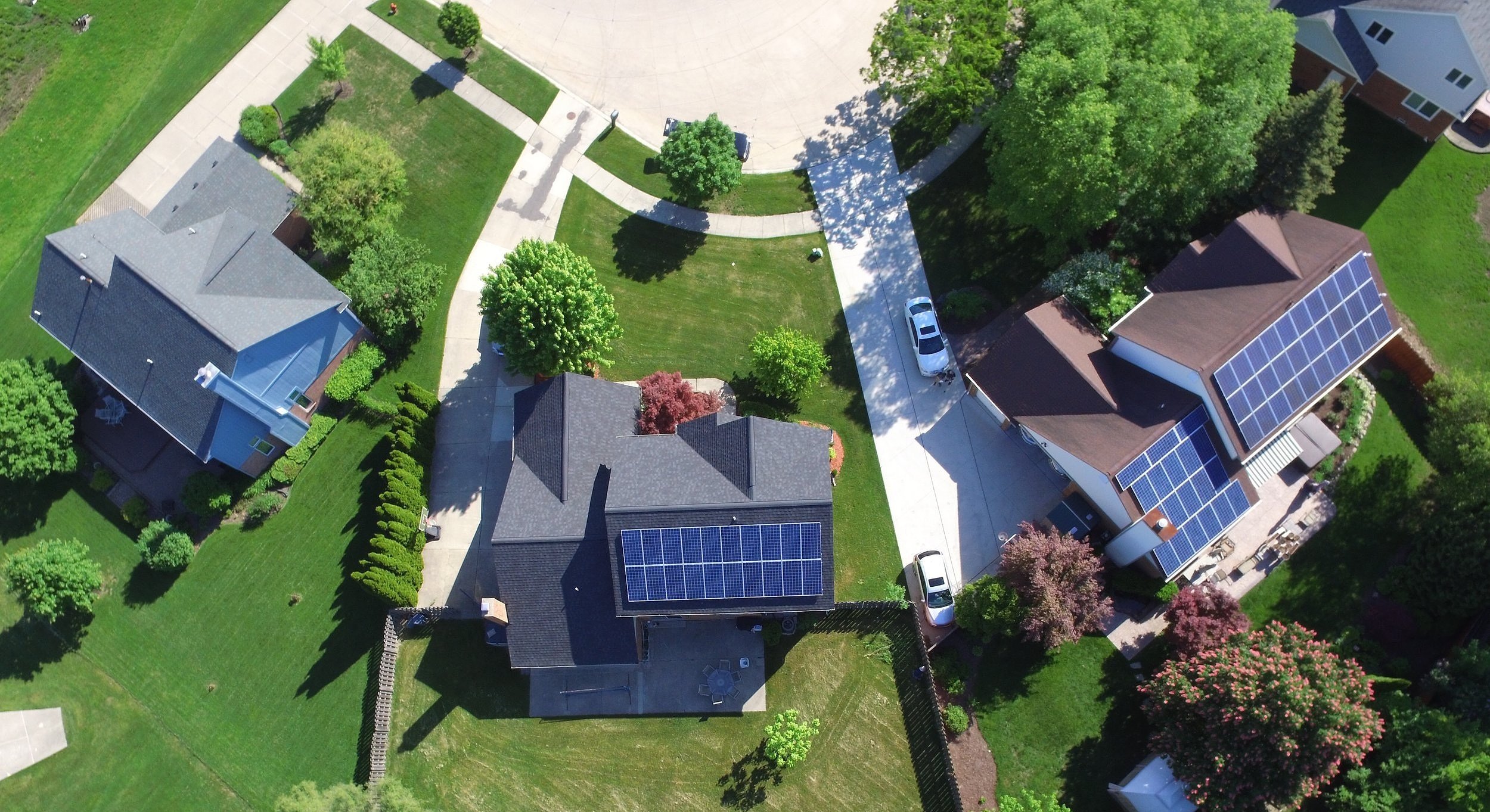

Solar panels by themselves do not keep your power on during an outage. This often surprises homeowners, especially considering the purpose of panels – to produce electricity separately from the grid. But when the grid goes down, most rooftop solar systems automatically shut off. This safety feature prevents electricity from flowing into power lines while crews are working, protecting both workers and your equipment.
The upside is that solar can still power your home during an outage when paired with the right backup equipment. For Michigan homeowners concerned about storms, high winds, or winter grid failures, solar-plus-storage offers a dependable way to stay connected.
Key Takeaways
- Solar panels alone do not power your home during an outage because standard grid-tied systems shut down for safety.
- To keep electricity running during a blackout, Michigan homeowners need either a solar battery system or a specialized inverter setup.
- Solar batteries provide seamless, automatic backup power and are the most reliable option for grid outages.
- Michigan’s weather patterns, grid reliability concerns, and rising energy costs make solar-plus-storage an increasingly valuable option.
Why Solar Panels Alone Don’t Work in a Blackout
Most Michigan solar installations are grid-tied residential solar systems. When the grid is operating normally, your panels power your home as expected. But during an outage, grid-tied systems shut off through a safety mechanism known as anti-islanding, managed by your system’s inverter.
Anti-islanding ensures that:
- Excess solar electricity does not backfeed into utility lines.
- Utility crews can safely repair outages.
- Your system stays protected from unstable grid conditions.
This shutdown occurs even if your panels are still producing electricity. Without a battery storage solution or specialized inverter, your home will not receive power until the grid returns.
How Solar Can Power Your Home or Building During an Outage
Solar can supply power during a blackout when paired with the right backup equipment. Here’s how homeowners and businesses typically stay powered.
Protect your power during an outage
Learn about which system design works best for your home or business.
Backup Option 1: Solar Battery Storage
A solar battery system, such as a Tesla Powerwall, is the most reliable way to maintain power during an outage.
Learn more about our battery storage options.
How it works:
- Your panels charge the battery throughout the day.
- When the grid goes down, the battery automatically powers essential circuits.
- Solar panels continue generating electricity and recharging the battery whenever sunlight is available.
Common essentials include refrigeration, lighting, device charging, medical equipment, internet routers, home office devices, and sump pumps.
Backup Option 2: Solar Generator
Portable solar generators pair small panels with a compact battery and inverter. They are useful for powering small devices and short-term needs but are not designed for whole-home or extended outages.
Backup Option 3: Specialized Inverter Systems
Some inverter configurations allow limited backup power without a full battery solution. These are less common and typically support only a single dedicated outlet or small appliances.
Options include:
- Hybrid (battery-ready) inverters
- Systems with a dedicated backup outlet
How to Choose the Right Backup Power Setup
To build a reliable backup power setup, consider which devices or circuits need electricity during outages, whether you prefer essential-load or whole-home coverage, and what battery size aligns with your needs. Seasonal sunlight and inverter type also influence performance.
Working with an experienced solar designer and installation team ensures your system is sized correctly and configured safely.
Solar Reliability During Blackouts from Michigan Weather
Michigan homeowners often ask whether solar can provide reliable backup power during snowstorms, cloudy stretches, high winds, or ice events. Solar panels continue generating electricity in these conditions, though production naturally decreases. With a battery included, the system can still supply essential power even during low-production days.
Snow often melts or slides off angled panels once the sun returns, and Michigan’s long summer days support fast battery recharging. Learn more about how solar performs in different conditions in our guide on solar panels in Michigan weather.
Michigan’s aging grid, frequent ice storms, and seasonal wind events can cause outages lasting from minutes to several days. Solar systems with panels and battery storage helps keep essential systems running during these events, including heating support equipment, sump pumps, medical devices, and home office technology.
As grid reliability becomes a growing concern across the state, more homeowners and businesses are turning to battery storage as a long-term resilience strategy.
Why Not Just Go Off-Grid?
Fully off-grid systems are possible, but uncommon in Michigan because they require large solar arrays, extensive battery storage, and more specialized components. These systems must meet your full energy needs, including extended low-sunlight periods and long winter nights.
Off-grid buildings often rely on specialized inverters and may require a backup generator for multi-day stretches of limited solar production.
For most homes and businesses, grid-tied solar with battery storage is a more practical choice. It offers reliable backup power, access to solar credits, and lower equipment costs while maintaining the stability of grid support.
How Long Can a Solar Battery Power Your Home Without Grid Power?
Backup duration depends on battery size, your home or building’s energy use, the time of year, and whether sunlight is available to recharge the system.
Many Michigan households and businesses use battery backup for essential loads instead of full-building coverage. A mid-sized battery can power refrigeration, lighting, internet equipment, medical devices, and a few outlets for many hours. Larger systems or multi-battery setups extend that duration.
During sunny summer days, panels can recharge the battery quickly. In multi-day winter storms, when sunlight is limited, battery duration depends more on capacity and careful power management.
Do Commercial Buildings Benefit From Solar During Outages?
Many Michigan businesses benefit from solar-plus-storage during outages the same way homeowners do. Backup power helps protect refrigeration, critical equipment, security systems, and operations, reducing downtime. This can be especially beneficial for commercial businesses, as it allows them to stay operational during blackouts and mitigate risk of lost revenue or poor customer experiences.
Commercial properties may also see value through available incentives and potential reductions in demand-related costs.
Explore our commercial solar services to see how businesses stay powered during outages.
Is Solar a Good Backup Power Solution in Michigan?
Solar with battery storage is a dependable way to maintain essential electricity during a blackout. Benefits include reliable emergency power, long-term energy savings, protection from rising utility costs, and greater energy independence.
Rooftop panels alone cannot power your home during a grid outage, but with battery storage or a hybrid inverter setup, solar becomes a resilient and practical backup option.
Ready to protect your power during blackouts?
Learn about which system design works best for your home or business.