
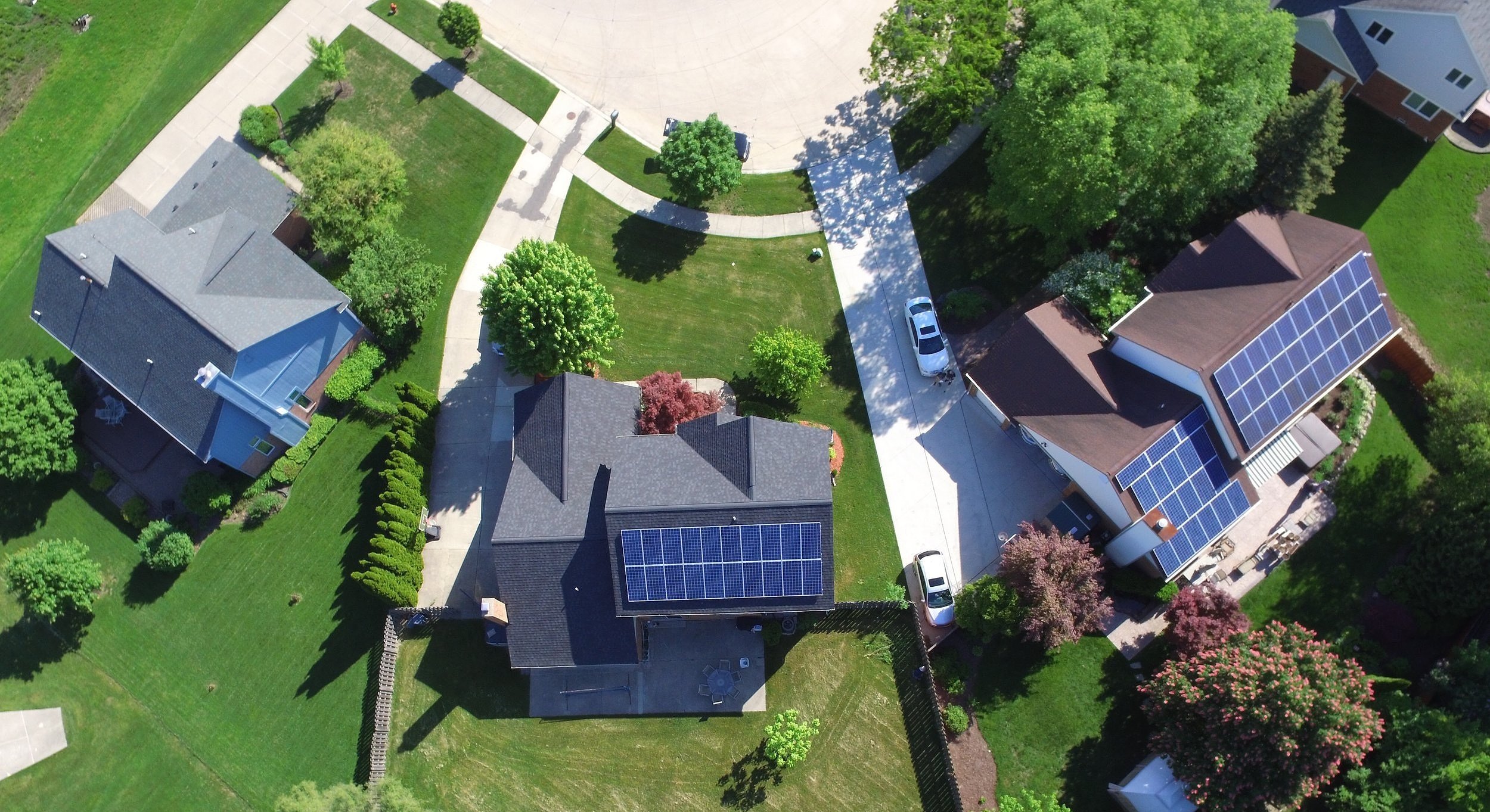

Switching to solar is a 25-year financial and structural commitment. While the technology is more efficient than ever, the “Golden Age” of easy residential subsidies has shifted. In 2026, the difference between a high-performing asset and a costly mistake comes down to rigorous planning and an understanding of the new regulatory landscape.
Avoid these seven pitfalls to ensure your transition to clean energy is actually profitable.
Key Takeaways
- Distinguish between residential and commercial incentives, as the federal tax credit for homeowners has expired while the commercial credit remains active with a critical July 4, 2026, safe harbor deadline.
- Size your system for future energy needs, such as EV charging or heat pump transitions, rather than basing it solely on last year’s utility bills to avoid expensive future expansions.
- Prioritize ownership over aggressive “zero-down” leases to ensure you retain local rebates and avoid complex contract escalators that can complicate future property sales.
1. Misunderstanding the 2026 Tax Landscape
The most significant change this year is the divergence between residential and commercial incentives. Navigating this incorrectly can leave you with a massive funding gap.
Residential Solar: The Post-Credit Reality
As of January 1, 2026, the federal Residential Clean Energy Credit (Section 25D) has expired for homeowner-owned systems.
- The Mistake: Relying on outdated marketing materials that still promise a 30% federal tax break.
- The Solution: Focus on state-level RECs (Renewable Energy Certificates), local utility rebates, and performance-based incentives (PBIs). In 2026, the ROI for residential solar is driven by high utility rates rather than federal handouts.
Commercial Solar: The July 4th Deadline
Unlike residential, commercial projects still have access to the Section 48 Investment Tax Credit (ITC), but the clock is ticking.
- The Mistake: Waiting until late 2026 to start a commercial install.
- The Reality: To secure the full 30% credit, commercial projects must “Safe Harbor” by July 4, 2026, by meeting the “5% Cost Test” or the “Physical Work Test.”
- The Solution: Business owners should prioritize early procurement. Additionally, check if your project qualifies for the 10% “Domestic Content” bonus or “Energy Community” adders, which can push your total credit significantly higher.
Get a Free Quote & Inspection
Let our experts help you understand your roof's potential
2. Choosing the Lowest Price Instead of the Best Value
In a post-subsidy market, many low-cost installers are cutting corners to stay competitive.
- The Trap: Opting for a “value” installer who uses Tier 2 or Tier 3 panels.
- The Consequence: These panels often have higher annual degradation rates. A 1% extra loss in efficiency per year might not seem like much today, but by year 15, your system could be producing 15% less power than a Tier 1 equivalent.
- Check the Warranty: Ensure your contract includes a Labor Warranty that matches the Equipment Warranty. Many manufacturers will ship you a free replacement part, but they won’t pay the $2,000 in labor costs to have a crew climb onto your roof and swap it out.
3. Ignoring Roof Life and Structural Health
Installing a solar array on a roof with fewer than 10 years of life remaining is a recipe for a financial disaster.
- The Removal Fee: If you need a roof repair in five years, a solar company must be hired to decommission, remove, and reinstall the system. In 2026, this “R&R” service typically costs between $3,500 and $6,000.
- The Fix: If your roof is aging, replace it at the same time as the solar installation. For commercial buildings, ensure a structural engineer verifies that the rafters can handle the dead load of the panels plus local snow or wind requirements.
4. Inaccurate System Sizing and “Future-Proofing”
Most installers size your system based on your electricity bills from the previous year. This looks backward instead of forward.
- The Mistake: Failing to account for lifestyle or operational changes.
- Residential Considerations: Are you planning to add an Electric Vehicle (EV) or a heat pump? These can increase your load by 25% to 50%.
- Commercial Considerations: Is your facility planning to add more shifts or new machinery?
- The Solution: It is much cheaper to install four extra panels now than to hire a crew to come back and add them three years from now.
5. Falling for “Free Solar” and Complex Financing
With the expiration of the solar residential tax credit, “Zero Down” leases and Power Purchase Agreements (PPAs) have become more aggressive in their marketing.
- The Lease Trap: While a lease has no upfront cost, the third-party owner (the solar company) keeps all the incentives and local rebates. Furthermore, a lease can complicate the sale of your home, as many buyers are reluctant to take over a 20-year contract.
- The Ownership Benefit: Ownership (via cash or a solar loan) allows you to keep all local incentives and adds tangible value to your property. In 2026, lenders are offering more specialized “Solar Mortgages” that may have better terms than standard solar leases.
6. Underestimating Shading and Inverter Choice
Solar panels are only as strong as their weakest link. If one panel is shaded by a chimney or a nearby building, it can throttle the output of the entire system if you have the wrong equipment.
- String Inverters: These are cheaper but treat the entire array as a single unit. One shaded panel brings the whole system down to that lower production level.
- Microinverters or Optimizers: These allow each panel to act independently.
- The Mistake: Choosing a string inverter for a roof with complex angles or partial shading just to save on upfront costs.
7. Skipping the Professional Site Audit
Satellite imagery (like Google Project Sunroof) is a great starting point, but it isn’t an engineering plan.
- The Pitfall: Many companies sell systems based purely on drone photos or satellite data.
- What They Miss: They can’t see the condition of your main electrical panel, the thickness of your rafters, or hidden shading from distant structures.
- The Solution: Never sign a final contract until a technician has physically stood on your roof and inspected your electrical system.
Why Michigan Property Owners Choose Strawberry Solar
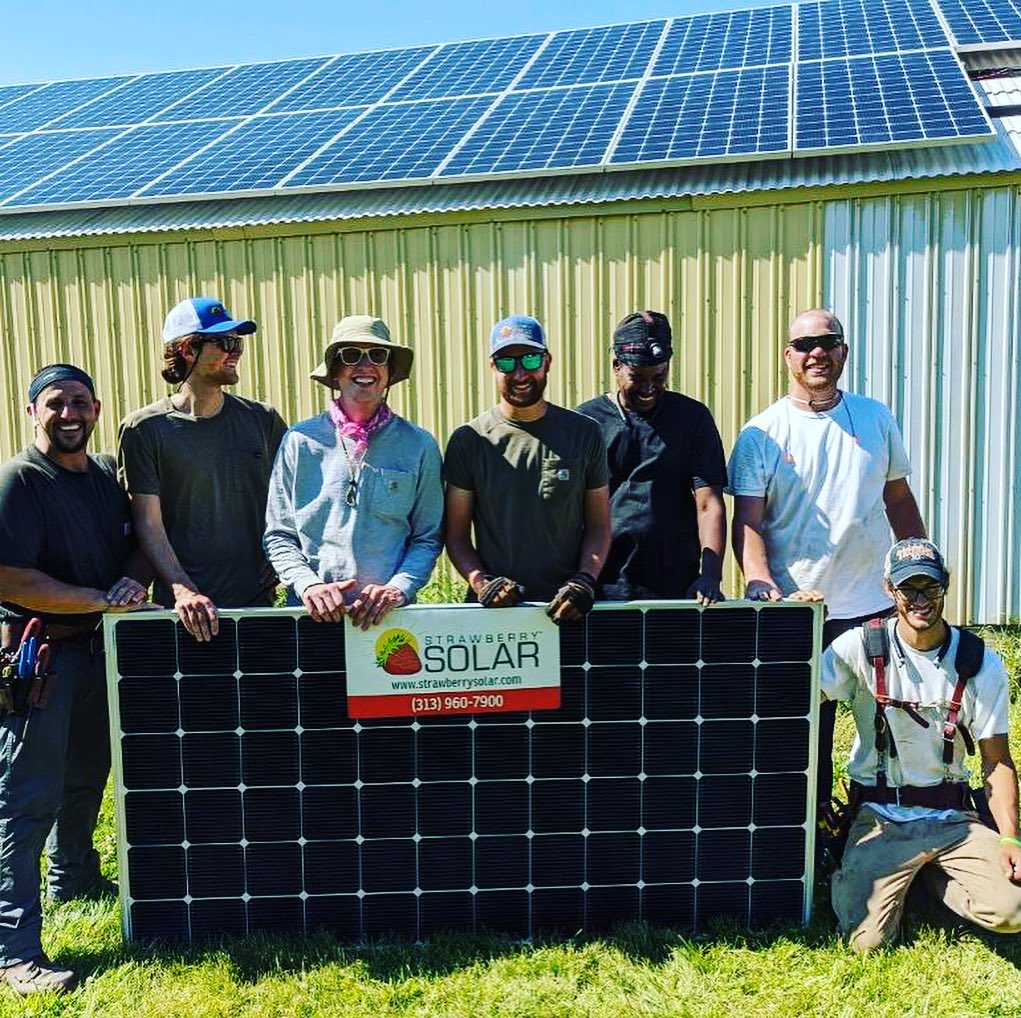
Local design expertise: We know Michigan roofs, weather, and utility rules, and we design clean systems that look good and perform well.
Ownership‑friendly guidance: We are an authorized Michigan Saves contractor and can help you choose financing that keeps resale value in mind.
Strong warranties and monitoring: We offer trusted equipment, workmanship coverage, and system monitoring so you can easily document performance.
Documentation you will actually use: We assemble permits, as‑builts, warranty details, and a simple performance summary so you are prepared for appraisal and sale later on.
Get a Free Quote & Inspection
Let our experts help you understand your roof's potential