
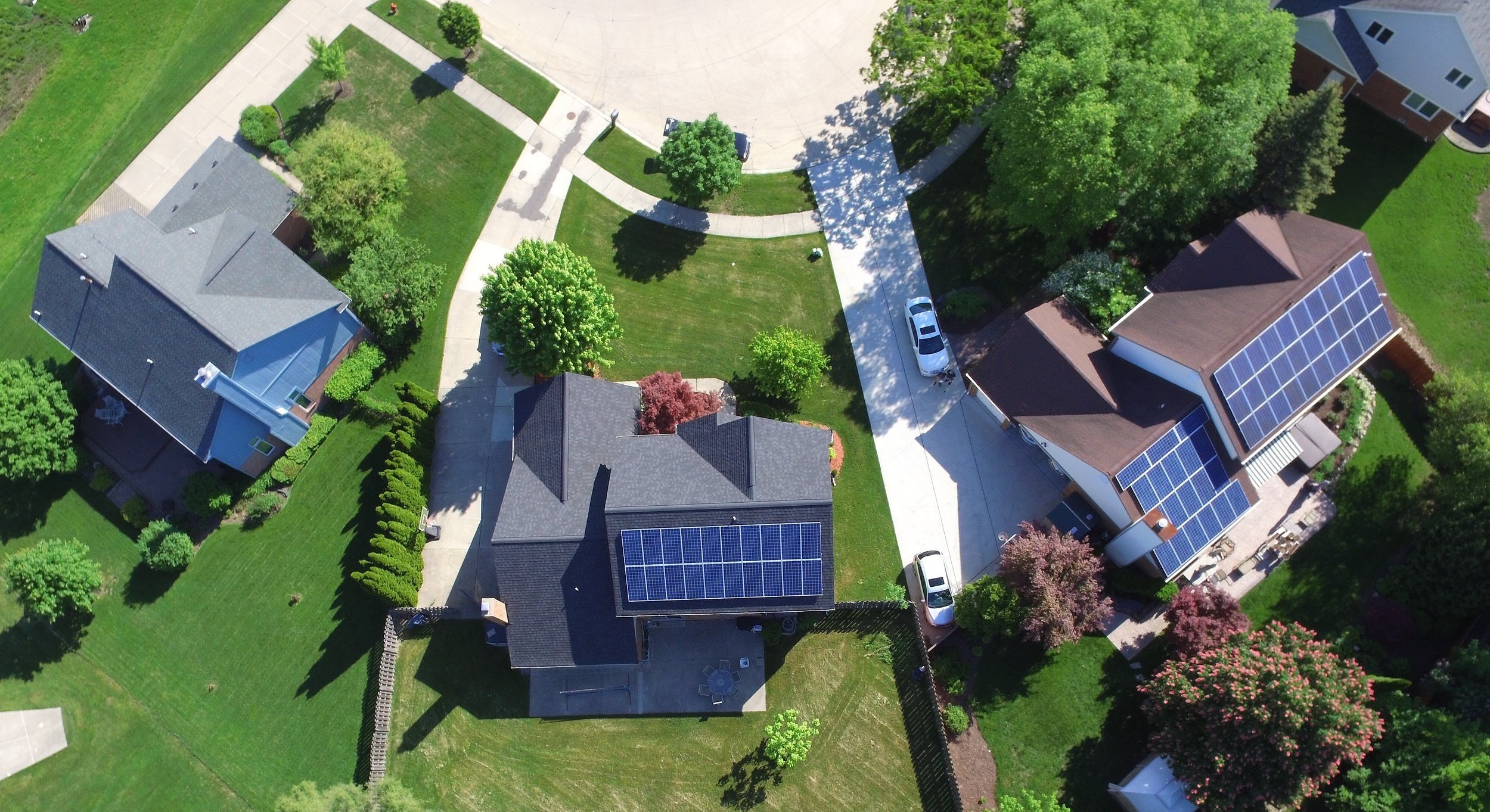

Between rising rates from DTE and Consumers Energy and the increasing number of ice storms knocking out power, Michigan homeowners are looking for real solutions. Most people want two things: a lower monthly bill and lights that stay on when the neighborhood goes dark.
To get there, you need to choose the right system. While both use the sun, they solve these problems in very different ways.
What is a Grid-Tied Solar System?
Most homes with solar panels in neighborhoods like Grand Rapids, Lansing, or the suburbs of Detroit use a grid-tied system. This simply means your home is still connected to the local power company’s lines. Think of the utility grid as your energy safety net. Even though you are producing your own power, you still have a cord attached to the rest of the world.
Grid-tied systems are the top choice for people living in urban and suburban areas. It is much cheaper and easier to stay connected than to try and build a system that stands entirely alone.
How Grid-Tied Solar Works
A grid-tied system creates a two-way street for electricity:
- When the sun is shining your solar panels soak up the rays and power your lights, TV, and fridge. If your panels make more energy than you need, that extra power flows out of your house and back onto the neighborhood power lines.
- When the sun goes down at night or during a dark Michigan snowstorm, your panels stop making power. Since you are still tied to the grid, your home automatically pulls electricity from the utility company just like it always has. You will never notice the switch; your lights stay on without you lifting a finger.
In Michigan, we have something very helpful called distributed generation. Major utility companies like DTE Energy and Consumers Energy actually track that extra power you send back to them and they give you a credit on your bill. It is like banking your summer sunshine to help pay for your electricity in the winter. For many Michigan families, this is the fastest way to see their monthly power bill drop toward zero.
Want to lower your utility bills?
Get a FREE no obligation solar install quote today.
Benefits of Grid-Tied Solar Panels
A grid-tied system is the most popular way to start your solar journey in Michigan. Because you are still connected to the utility lines in cities, you get the best of both worlds: your own clean energy and the reliability of the local grid.
Here are some other benefits of a grid-tied solar panel system:
- You can potentially have lower upfront costs not needing solar battery storage.
- You can leverage distributed generation (net metering) to help offset costs in the harsh Michigan winters.
- These systems are often maintenance free with very few moving parts.
- You can easily expand your solar panel system or even add more solar batteries without much change to your system or setup.
What is an Off-Grid Solar System?
While most people in cities stay connected to the utility company, some Michigan homeowners choose to go completely independent. An off-grid solar system means you have no physical connection to the power lines from companies like DTE or Consumers Energy. You are your own utility company.
This setup is the ultimate choice for total energy independence. It is especially popular for remote cabins in the Upper Peninsula, seasonal homes near Traverse City, or rural properties where the cost of running new power lines from the street is simply too expensive.
How Off-Grid Solar Works
Because there is no utility grid to catch you when the sun goes down, an off-grid system has to be much more self-sufficient.
In an off-grid setup, your solar batteries are the heart of the system. During the day, your panels power your home and simultaneously “fill up” your batteries. When the sun sets your home pulls exclusively from your stored battery power. You are not pulling from a neighborhood safety net; you are using the power you captured earlier that day.
Most off-grid homeowners in Michigan keep a backup generator on-site. During those long, grey stretches of a “Pure Michigan” winter, your panels might not get enough light to fully refill the batteries. A generator ensures your well pump and furnace stay running no matter the weather.
Want to break free from the uilities?
Let our experts help you design the right system for you.
Benefits of Off-Grid Solar Panels
Going off-grid is a bigger commitment, but for many in the Great Lakes State, the freedom it provides is worth the extra planning.
Here are some of the primary benefits of an off-grid solar panel system:
- Total Energy Independence: You will never receive another monthly electric bill, and you are completely immune to utility price hikes.
- Power During Any Outage: Since you are not tied to the local grid, a neighborhood-wide blackout in Detroit or Grand Rapids has zero effect on you. Your lights stay on because your power source is right in your backyard.
- Freedom to Build Anywhere: You can build your dream home or hunting lodge in the most remote parts of Michigan without worrying about whether the power company can reach you.
- Reduced Environmental Footprint: You are 100% responsible for your energy, which often leads to a more mindful and eco-friendly lifestyle.
- No “Hook-up” Fees: For remote properties, the cost to have a utility company run poles and wires can be tens of thousands of dollars. An off-grid solar system often pays for itself immediately by avoiding those massive construction fees.
Comparing Grid-Tied vs. Off-Grid
When choosing between these two systems, it often comes down to how you want to handle a classic Michigan winter.
Here are the three main areas we get asked about the most on which setup is right for them.
Reliability
- Grid-Tied: If a heavy ice storm knocks out the power lines, your solar panels will shut off for safety. You will be without power unless you have a backup battery. However, on normal cloudy days, the grid is always there to supply whatever power your panels cannot produce.
- Off-Grid: You are responsible for your own reliability. If your panels are covered in snow, you must rely entirely on your battery bank. Most off-grid Michiganders keep a backup generator to ensure the heat stays on during these long, grey stretches.
Cost
- Grid-Tied: This is the most budget friendly entry point for families in SE Michigan. Since you do not need to buy a massive bank of batteries to get started, the upfront cost is much lower. You can use the utility grid as your storage for free until you’re ready to expand.
- Off-Grid: The initial cost is significantly higher. You have to pay for the panels, a large battery system, and usually a backup generator. While you will never have a power bill again, the “buy-in” price is a much larger investment.
Maintenance
- Grid-Tied: These systems are almost entirely maintenance free. You generally do not need to worry about your energy levels or equipment. The utility company handles the “storage” side of things on their end.
- Off-Grid: This is a more hands-on lifestyle. You need to monitor your battery levels closely during the winter and perform regular maintenance on your backup generator. It requires a bit more work, but it gives you total control over your home’s energy.
How to Choose the Right System for Your Property
Deciding between grid-tied and off-grid usually comes down to where your home is located and how much you want to rely on the local utility company. Here is a quick checklist to help you decide which setup fits your goals.
If your home is in a more developed area then a grid-tied system is almost always the best choice.
- Existing Infrastructure: Your home is likely already hooked up to power lines, which makes a grid-tied installation fast and affordable.
- Financial Return: You can take advantage of billing credits from your utility provider to help pay off your system faster.
- The Hybrid Option: You can still have peace of mind by adding a solar battery to your grid-tied system. This keeps your lights on during a local blackout while keeping your overall installation costs manageable.
If you are building a homestead or a cabin in a more secluded area then off-grid might be your best or even your only option.
- Avoid High Hook-up Fees: In many rural areas, power companies charge a large amount of money just to run lines to a new building. Solar batteries are often cheaper than paying the utility company to extend their grid to your front door.
- Total Independence: You are responsible for your own power, which is perfect for a lifestyle where utility service might be unreliable or non-existent.
- Year-round Planning: Keep in mind that off-grid life in Michigan requires a larger battery bank and a backup generator to get you through the darkest winter months.
No matter which system you choose, there are financial incentives for solar available to help you make the switch. Whether you want to stay connected for the savings or go off-grid for the freedom, there has never been a better time to look into solar power.
Why Michigan Homeowners Choose Strawberry Solar
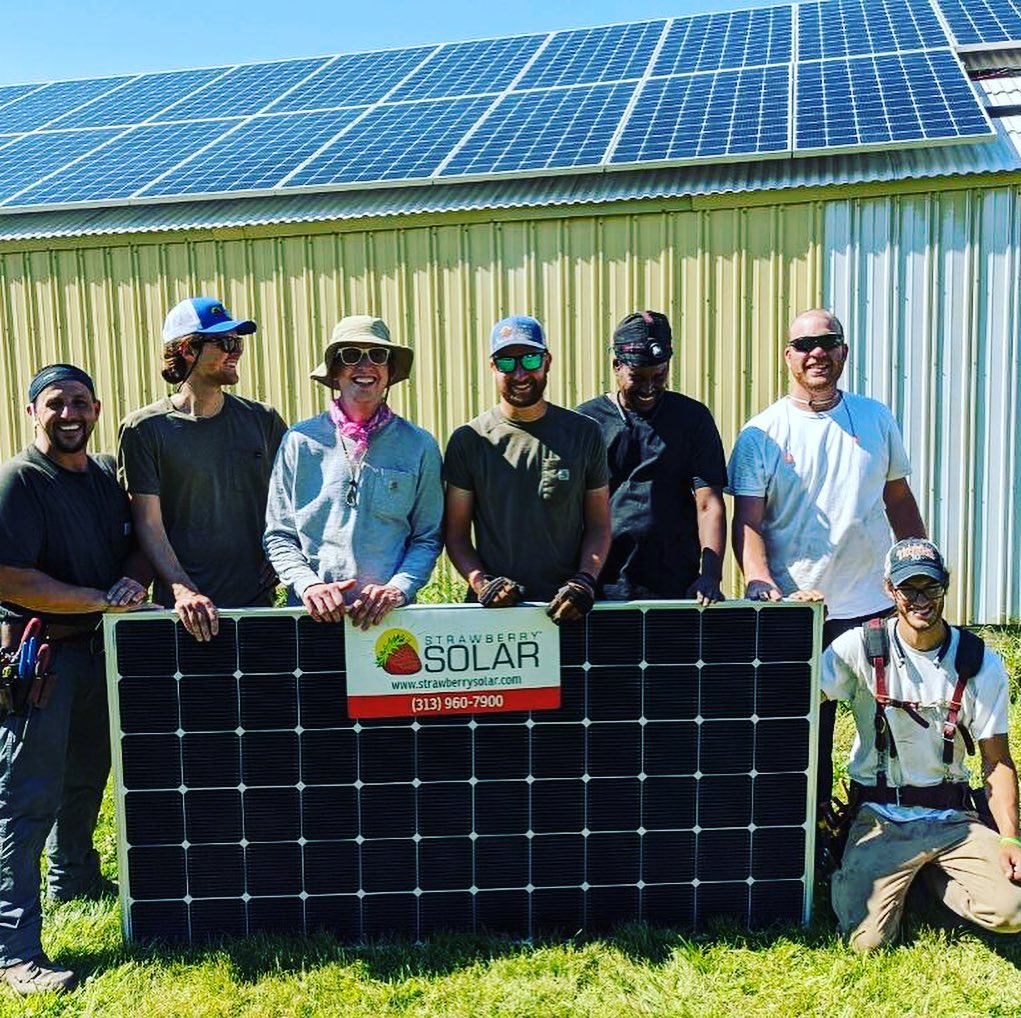
Local design expertise: We know Michigan roofs, weather, and utility rules, and we design clean systems that look good and perform well.
Ownership‑friendly guidance: We are an authorized Michigan Saves contractor and can help you choose financing that keeps resale value in mind.
Strong warranties and monitoring: We offer trusted equipment, workmanship coverage, and system monitoring so you can easily document performance.
Documentation you will actually use: We assemble permits, as‑builts, warranty details, and a simple performance summary so you are prepared for appraisal and sale later on.
Get a Free Quote
Let our experts help you understand your roof's potential