
Find Solar Incentives Available to You in Michigan
Michigan homeowners, businesses, farmers, and nonprofits have access to a wide range of solar incentives that can significantly reduce the cost of installing solar panels. These incentives include federal tax credits, state and local programs, utility credits, and special financing options.
This page is designed to help you understand what programs exist and how they may apply to your property or organization. To make it easier, we’re also building a guided incentive finder that will match you with programs based on your location, property type, and project goals.
Get a Free Solar Quoteor call (313) 960-7900

Find Michigan Solar Programs You May Qualify For
Why Go Solar in Michigan?
Solar energy in Michigan continues to grow thanks to strong policy support, improving technology, and meaningful financial incentives. Whether you want to lower monthly electric bills, protect against future utility rate increases, or invest in long-term energy independence, solar can be a smart decision.
Benefits of going solar in Michigan
Significant upfront cost reductions through tax credits and rebates
Lower monthly electric bills by producing your own electricity
Protection from property tax increases tied to solar improvements
Financing options that can reduce or eliminate large upfront costs
Long-term savings by offsetting future utility rate increases
Reduced reliance on utility companies and greater control of your energy
Take advantage of available incentives
Our expert team can help you walk through options and explore what incentives and programs are available to you
Get a Free QuoteHomeowners
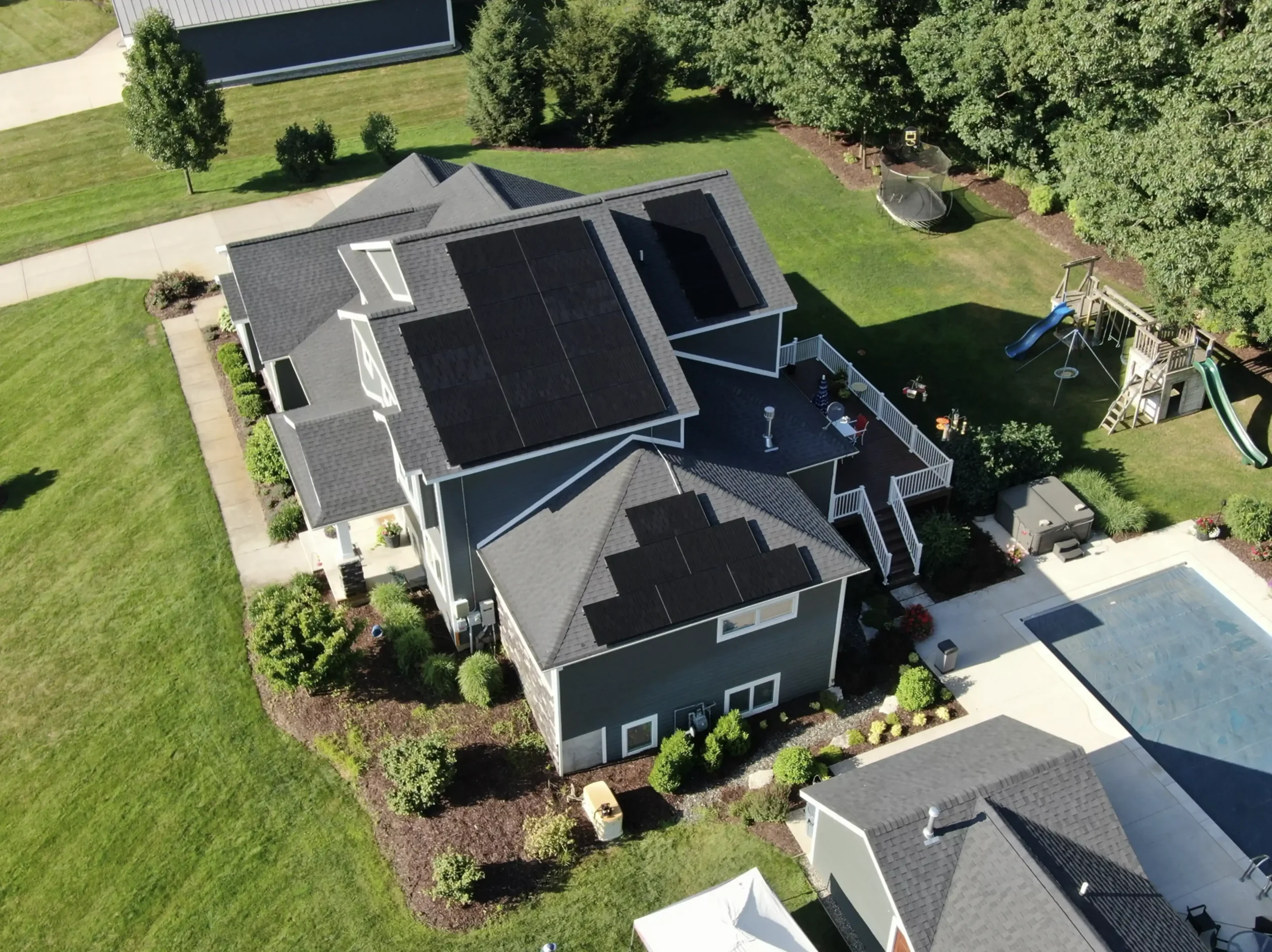
Michigan homeowners can combine multiple incentives to dramatically reduce the net cost of a solar installation.
Key residential incentives include:
Michigan property tax treatment (Residential – “Mathieu-Gast” exclusion)
Qualifying residential solar systems are generally excluded from true cash value until the property is sold. This means homeowners typically do not see an assessment increase solely because solar was added. Treatment depends on system size, use, and local assessor interpretation.
Distributed generation bill credits (Inflow/Outflow billing)
Michigan utilities use an inflow/outflow structure. Electricity drawn from the grid is billed at the retail rate, while excess electricity exported to the grid is credited based on the utility’s power supply component, not full retail net metering.
Michigan Saves residential financing
Fixed-rate financing may be available through participating lenders for qualifying solar projects. Michigan Saves provides financing – not rebates – and terms depend on lender approval.
Utility and city-based solar rebates (where available)
Some utilities and municipalities offer rebates or enhanced production credits. These programs are location-specific and often limited by funding availability..
Commercial Businesses
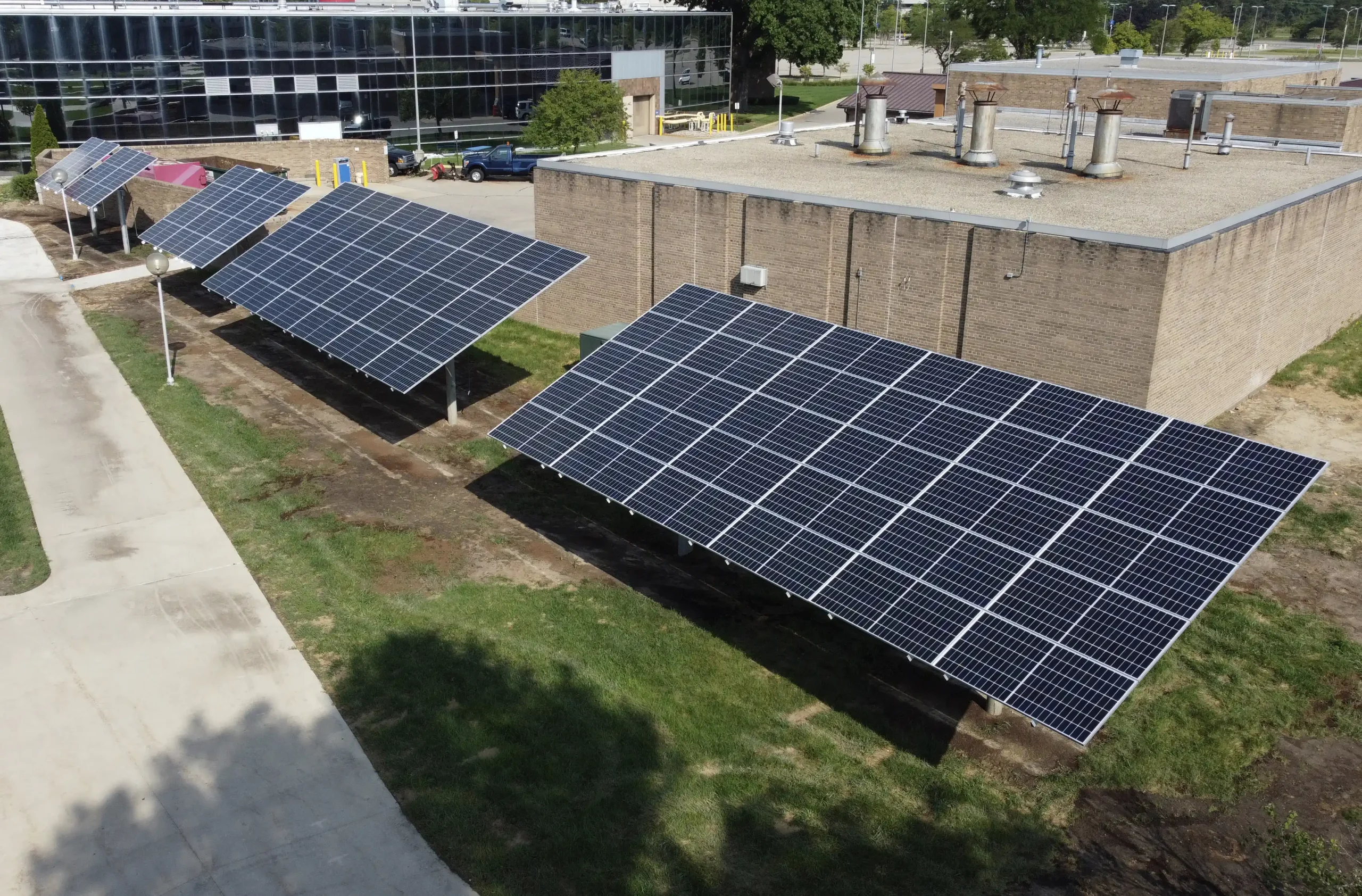
Commercial, industrial, nonprofit, and multifamily solar projects may still qualify for federal credits, state tax treatment, and financing, but current law includes strict timing and eligibility requirements.
Commercial and nonprofit programs:
Federal business solar tax credits (Clean Electricity Investment Credit and related credits)
Federal credits remain available for qualifying solar projects, for commercial and non-profit projects – although they were retired for residential solar. However, they are time sensitive and will expire for commercial soon as well.
PACE financing (Property Assessed Clean Energy)
Long-term financing repaid through a special assessment on the property tax bill. Commonly used for commercial, industrial, nonprofit, and multifamily properties where the local jurisdiction participates.
Michigan property tax treatment (Commercial / Industrial – MCL 211.9i)
Certain alternative energy personal property may be exempt from property tax if it meets statutory requirements. Common conditions include on-site energy use, capacity limits (often ≤150 kW), and true cash value thresholds. Eligibility must be confirmed with local assessors.
Distributed generation and utility credit programs
Compensation for surplus solar production is governed by utility tariffs and typically follows inflow/outflow mechanics rather than retail net metering.
Community Group & Low Income
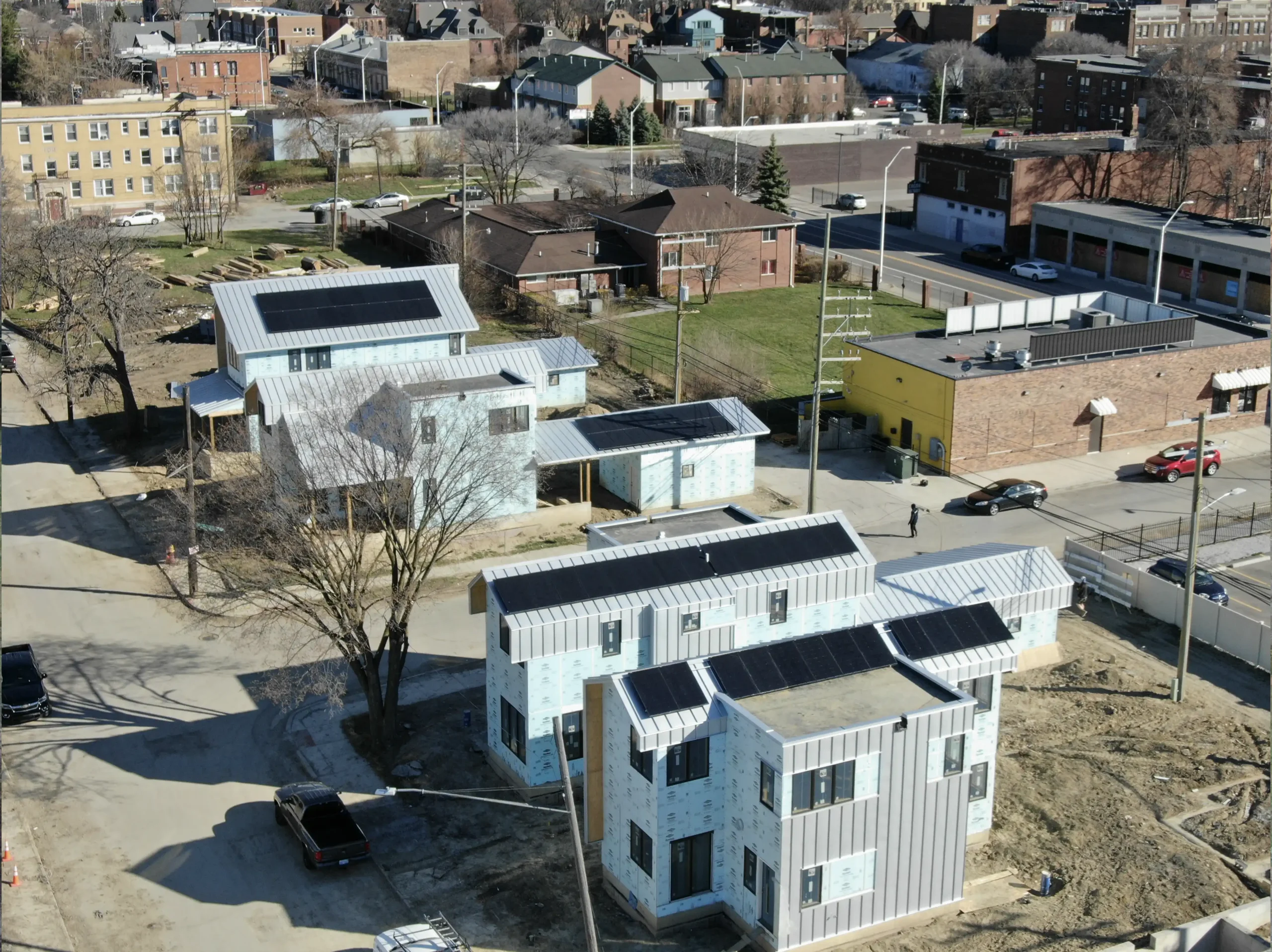
Michigan has developed targeted programs intended to reduce energy burden for income-qualified households. Availability depends on funding rounds and regional rollout.
Programs that may apply include:
MI Solar for All / Solar for Savings
Designed for income-qualified households and disadvantaged communities. Programs may include rooftop solar and/or community solar participation. The program targets benefits equivalent to an average 20% reduction in electricity costs. Availability varies by region and funding status.
Community solar subscriptions
Allows households to receive bill credits from a shared solar project without installing panels on their own property. Availability and credit structure depend on the utility or cooperative.
Local grant or rebate programs
Certain cities or local authorities may offer additional incentives based on income, neighborhood, or redevelopment goals.
Farms & Rural Properties
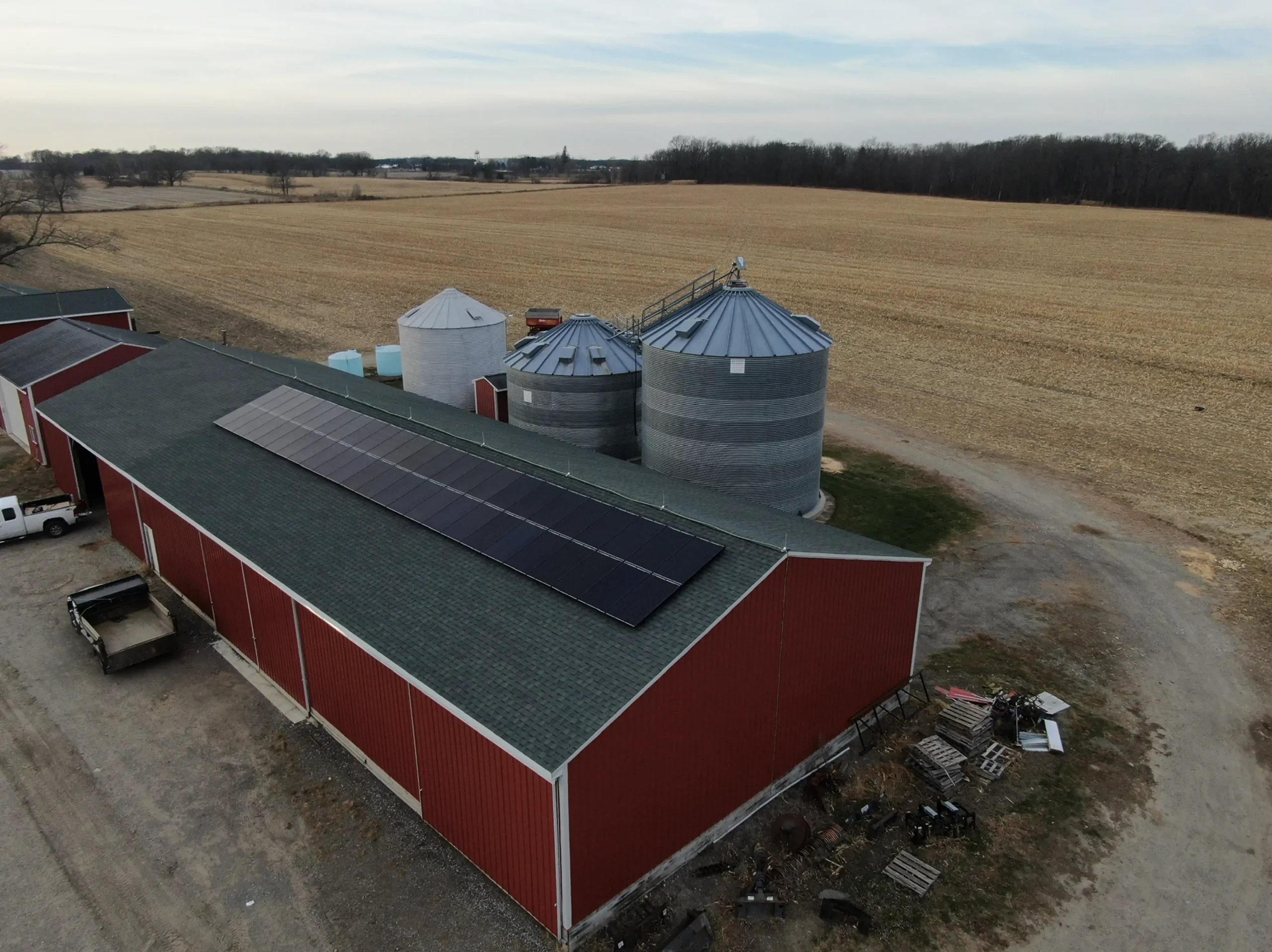
Farmers and rural businesses may access additional federal and cooperative programs that improve solar project economics.
Agricultural programs that may apply:
USDA Rural Energy for America Program (REAP)
Provides grants and loan guarantees for eligible agricultural producers and rural small businesses investing in renewable energy. Application windows, scoring criteria, and funding availability vary.
Michigan Saves financing (agricultural and rural projects)
Financing may be available through participating lenders for qualifying solar and energy improvements.
Electric cooperative solar programs
Some cooperatives offer community solar, buy-all/sell-all arrangements, or production credit programs depending on service territory.
Get Help Navigating Michigan Solar Incentives
Solar incentives are subject to legislative changes, funding limits, and utility tariff updates. Final eligibility depends on system design, installation timing, tax status, and local rules.
Working with an experienced solar professional can help ensure incentive assumptions are accurate before you commit to a project.
Why choose Strawberry Solar for your solar installation?
We have been installing solar systems and battery solutions since 2010.
We are dedicated to delivering custom solar solutions that maximize savings, sustainability, and energy independence. We aren’t tied to a single offering or manufacturer, and we research and install what we feel is the best solution for our customers.
Having been in the solar industry for over 15 years, we’ve learned the importance of building strong relationships—not only with our dealers and manufacturers but also with our customers. These lasting connections allow us to provide expert knowledge, solution-based design, ongoing monitoring, attentive troubleshooting, and dedicated support.
Ready to go solar? Get a Quoteor call (313) 960-7900
Full List of Michigan Solar Incentives & Programs
Michigan offers a mix of statewide, federal, utility, and local programs that can help reduce the cost of going solar or make projects easier to finance. Some programs provide direct financial benefits, such as bill credits or tax relief, while others offer low-interest financing or grant opportunities. Eligibility can vary based on property type, system size, utility provider, income qualifications, and installation timing.
The table below outlines the primary solar incentives and programs currently available to Michigan residents, businesses, nonprofits, and agricultural properties. These programs are subject to change based on legislation, funding availability, and utility rules, so they should be used as a starting point for understanding what options may apply to your situation.
| Program | Requirements | Link |
|---|---|---|
| Michigan Distributed Generation (Inflow / Outflow Billing) | Participating utilities use inflow/outflow billing. Exported solar is credited at the utility’s power-supply component (not full retail net metering). | View |
| Michigan Property Tax Treatment – Residential (Mathieu-Gast exclusion) | Qualifying residential solar is generally excluded from true cash value until the property is sold. Assessor interpretation and limits apply. | View |
| Michigan Property Tax Treatment – Commercial / Industrial (MCL 211.9i) | Certain on-site commercial/industrial solar equipment may be exempt from property tax if statutory requirements are met (often ≤150 kW plus additional conditions). | View |
| Federal Business Clean Electricity Investment Credits (Solar) – timing rules apply | Commercial solar may qualify under current law, but timing rules apply (e.g., begin-construction/placed-in-service constraints). Project structure and tax status matter. | View |
| PACE Financing (Lean & Green Michigan) | Long-term financing repaid via a special assessment. Typically used for commercial, nonprofit, and multifamily properties in participating jurisdictions. | View |
| Michigan Saves Financing (financing, not a rebate) | State-supported financing through participating lenders for qualifying solar/energy projects. Terms depend on lender approval. | View |
| USDA REAP – Rural Energy for America Program | Grants and loan guarantees for eligible agricultural producers and rural small businesses installing renewable energy systems like solar. | View |
| City of Ypsilanti – Grace Sweeney Solar Rebate (local, funding dependent) | Local rebate program for properties in Ypsilanti; availability depends on current funding/program status. | View |
| Ann Arbor A2ZERO Battery Rebate | Residents can receive $2,000 – $3,500 for battery storage systems and up to $1,000 – $2,000 for electrical panel upgrades. | View |
| Ypsilanti DDA Commercial Solar Grant | For businesses in Downtown/West Cross districts. Covers 50% of installation costs up to $10,000. | View |
| Lansing BWL – Install My Own Solar | $500/kw rebate up to $2,000, with additional distributed generation options. | View |
| Traverse City Light & Power – Solar Hot Water | $300 incentive for installing a qualifying EV home charger. | View |
Incentive availability and eligibility are subject to change. This page is intended for informational purposes only and does not guarantee qualification for any specific program.